
PLUS: The best students in the world.
|
|
A friend of mine teaches eighth-grade American history. There are a number of reasons this freaks me out. Eighth graders—ew. American history—so fraught. Scariest of all, though: The kids can’t read. Literally cannot. They’ll be called on to read a passage about, I don’t know, George Washington’s wooden teeth, and they won’t be able to do it. They won’t be able to find out that ol’ George didn’t even have wooden teeth!
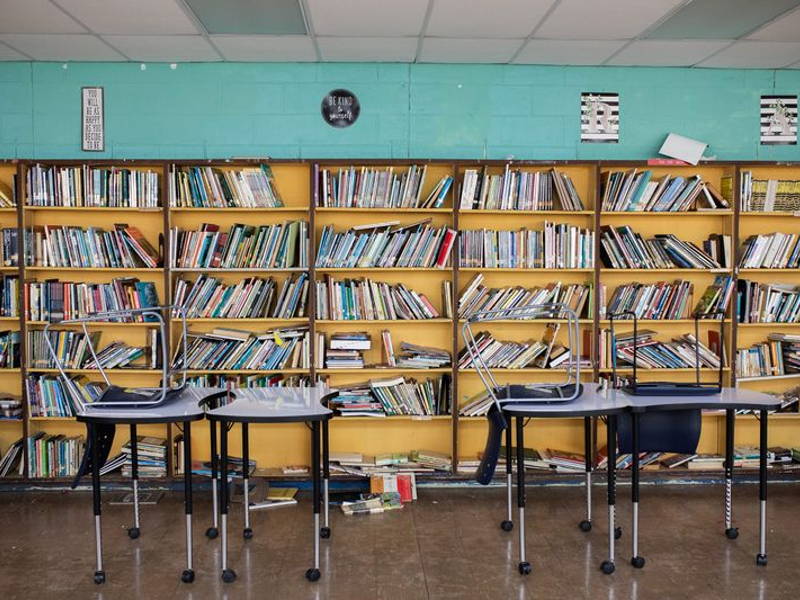
Well. Unless my friend is exaggerating things ever so slightly. To find out, we put one of our own on the case. Megan Greenwell used to be our boss, and now she’s a dogged freelancer. (Check out her recent book about private equity.) We basically assigned her a question: Can kids still read? Her answer is this week’s Big Story, the title of which gives some of the game away: “Stop Saying Kids Can’t Read.”
This isn’t, as so many of these types of pieces are, an armchair essay. Megan actually goes places, talks to teachers, sits in classrooms. It’s not the rosiest picture, but nor is it the bleakest. As with everything, it’s complicated. I’ve said for years we’re at the end of literacy, but that’s literacy, not reading. Kids can still read. The better question is whether they know what they’re reading.
P.S. Megan’s story is just one of five in our new Kids Issue. Love ’em or hate ’em or feel nothin’ about ’em, kids are here to stay—a fact (quite literally) of life. So you might as well check in.
|
|
|
|
|
|
Story originally published in October 2013
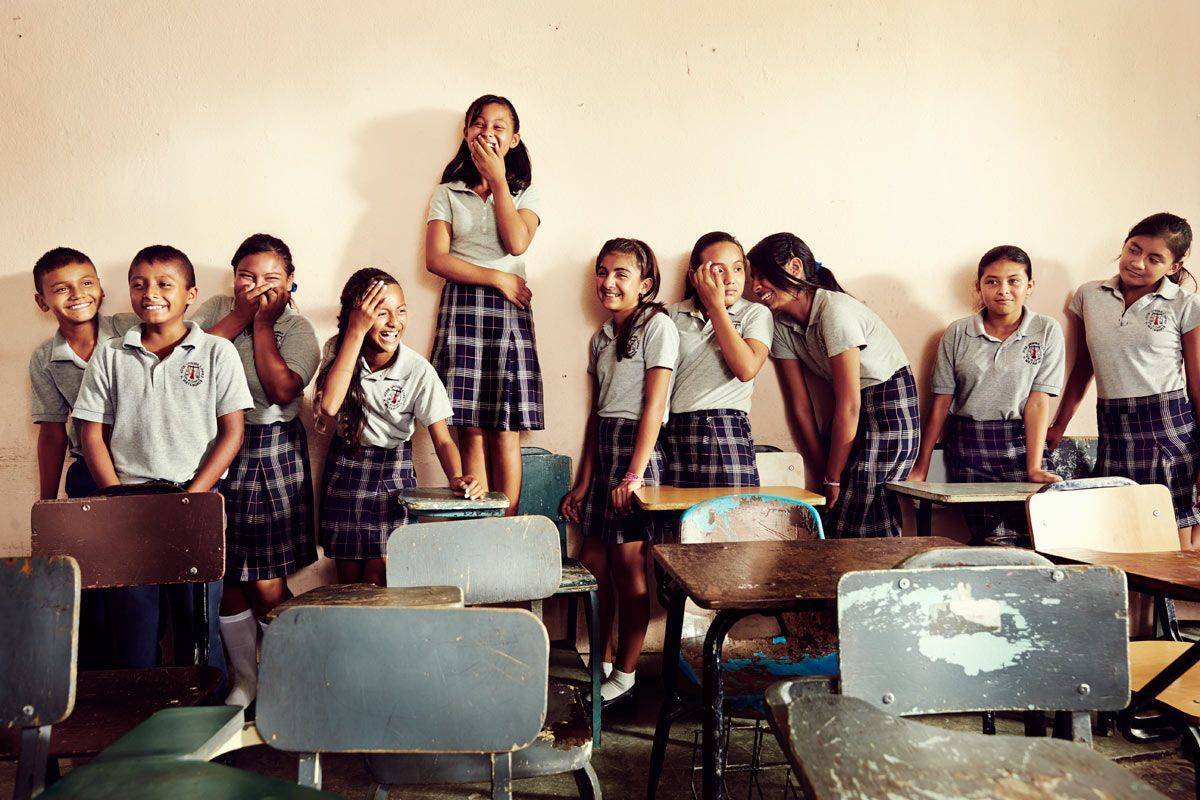
Megan Greenwell’s Big Story focuses on a major shift in American literacy education toward strict, test-centric teaching with almost zero room for creative expression. Spoiler alert: It worked. Throughout the decade leading up to change, a completely opposite philosophy dominated education theory. In 2013, Joshua Davis wrote about the movement toward self-guided learning, dependent on individual kids’ innate curiosity and creativity, and believed to be the best way to produce high-achieving critical thinkers. This method also worked—Davis traveled to an impoverished school in Matamoros, Mexico, to see its extraordinary impact.
Read both features and share your thoughts: what educational philosophy can both ensure childhood literacy and foster passion for learning? Send an email or comment below the article.
|
|
|
|
|
|
MORE GREAT STORIES THIS WEEK
|
|
|
|
THE BIG STORY
By Noah Shachtman
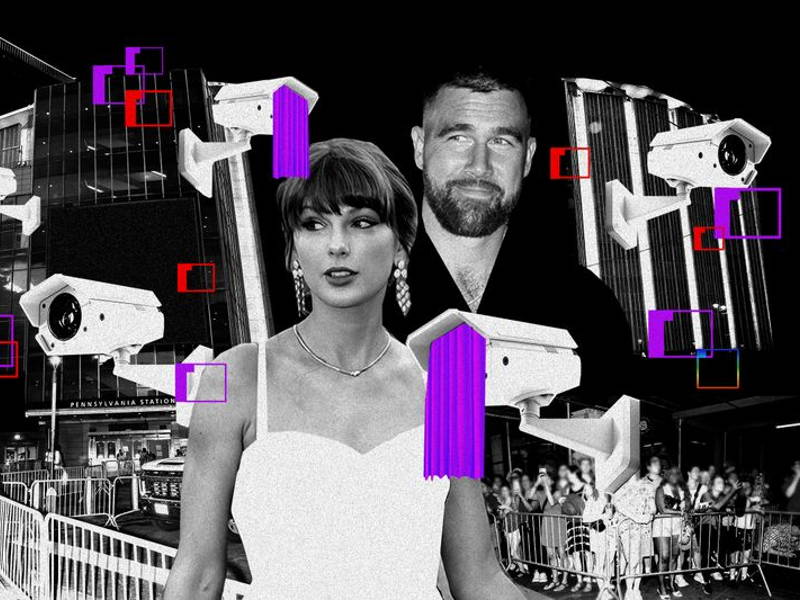
MSG’s sprawling surveillance system can monitor guests down to the second. Its owners made an exception for the pop star’s rehearsal dinner.
|
|
|
|
|
|
THE BIG STORY
By Ara Rosenthal
An Instagram post turned one California student newspaper into a free-speech flash point. The students say they were just doing their homework.
|
|
|
|
|
|
THE BIG STOR
By Amy Maxmen, KFF Health News
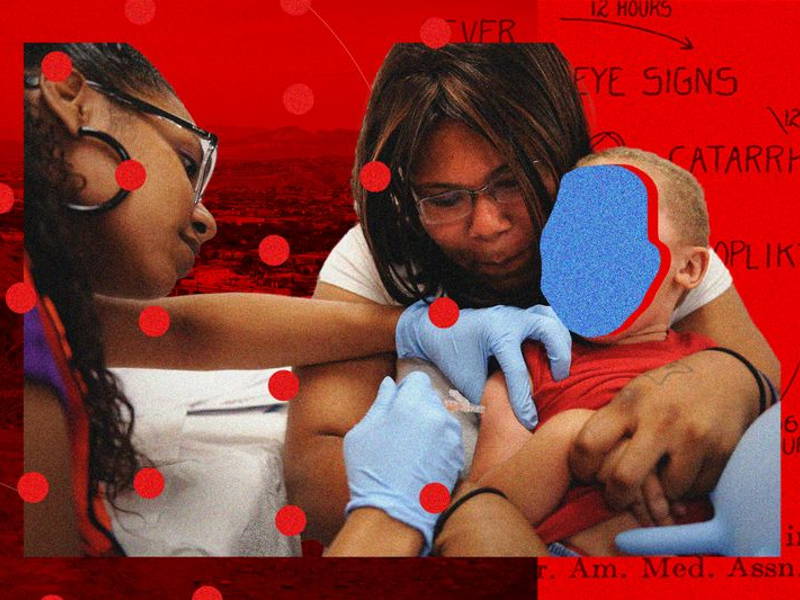
Hear from six pediatricians in measles hot spot Utah, as the US faces infection levels not seen in over three decades and prepares to lose its status as a country that eliminated the dangerous disease.
|
|
|
|
This week, Brenden I. Koerner wrote about how the youth sports market and shoe companies are targeting track and field. Kids are faster than ever before, making one of few remaining low-barrier youth sports increasingly competitive. In the comments, one former track athlete lamented, “The things that have been ruining other more popular high school sports for decades are now invading the last bastion of pure athletic endeavor. I feel bad for these kids. No time to just soak in the joy of the spring sun and enjoy the sights and sounds of sports’ best three-ring-circus.”
Tell us about your favorite WIRED stories and magazine-related memories. Write to samantha_spengler@wired.com, and include “CLASSICS” in the subject line.
|
|
This email was sent to you by WIRED. To ensure delivery to your inbox (not bulk or junk folders), please add wired@newsletters.wired.com to your address book.
Copyright © Condé Nast 2026. One World Trade Center, New York, NY 10007. All rights reserved.
|
|





Comments
Post a Comment