How Lisa Says Gah bridged style, the internet, and real life

How Lisa Says Gah bridged style, the internet, and real life"We've actually slowed down in a lot of ways, as far as our design process," says founder Lisa Bühler.
This interview is part of a limited series on Embedded, brought to you by In Stock, Shopify’s Substack about the craft and culture of entrepreneurship. Thank you Shopify!!! —Kate New on ICYMI: A Bit Fruity’s Matt Bernstein joined me to chat about Kylie Jenner’s attempt to rebrand Meta Glasses!
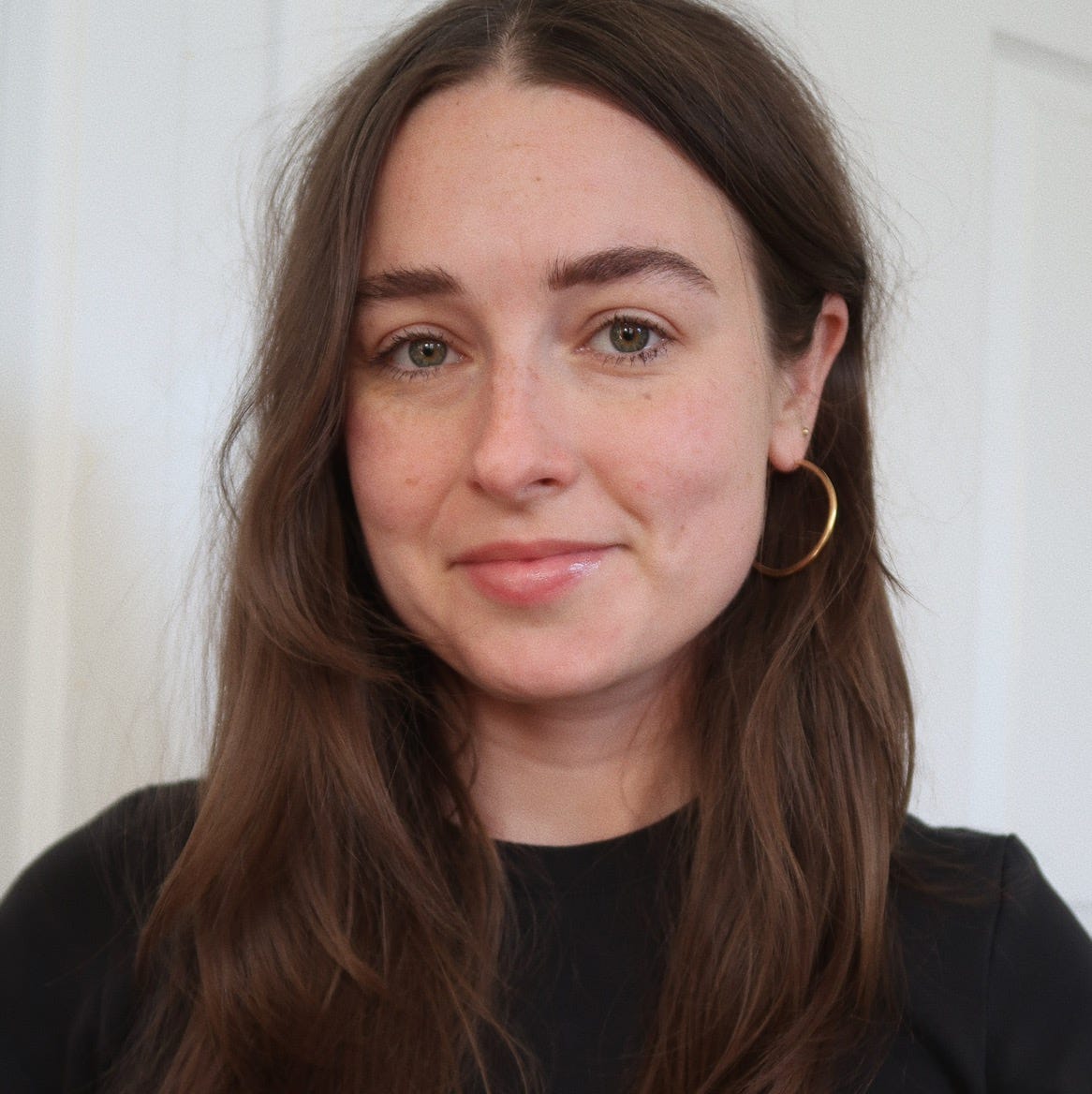
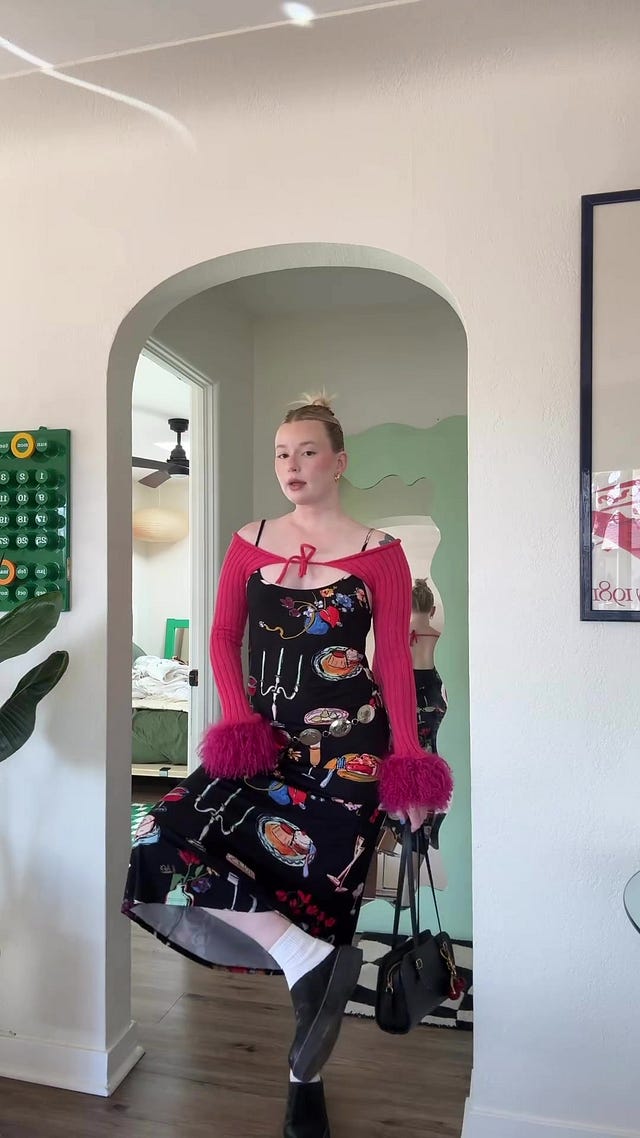
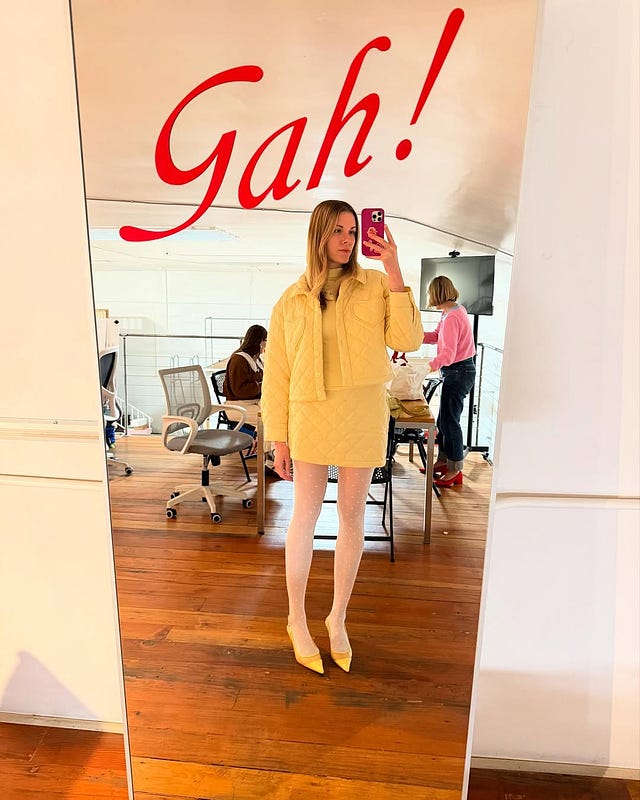
Head over here to subscribe to ICYMI wherever you listen to podcasts 🫶 The eras of social media that bookend the past 10 years could not be more different. The twee, perhaps naive optimism splashed across feeds in the 2010s has become frenetic competitiveness, as users battle not just algorithms but the experts gaming the algorithms. It’s arguably businesses who have most needed to adapt. Lisa Says Gah, an apparel brand founded by Lisa Bühler in 2015, has somehow managed to not just endure but grow through all of this change by investing in the one thing that works the same no matter what decade you’re in: real life. The brand has always been community-first, Bühler says, but has spent the past 10 years exploring community in every form. The company is active in the digital sphere, through collaborations with online creators like Arden Rose, but has also established itself as a physical space. “Every time I see our customers, they’re just like the most creative, cool, friendly group,” Bühler tells me over Zoom. “And I’m always delighted when we have that connection.” In this interview, which is part of our limited series partnership with Shopify’s Substack, In Stock, Bühler and I discuss the evolving role of the founder, how she maintains the brand’s identity in a crowded space, and the biggest difference between social media now and when Lisa Says Gah first posted.
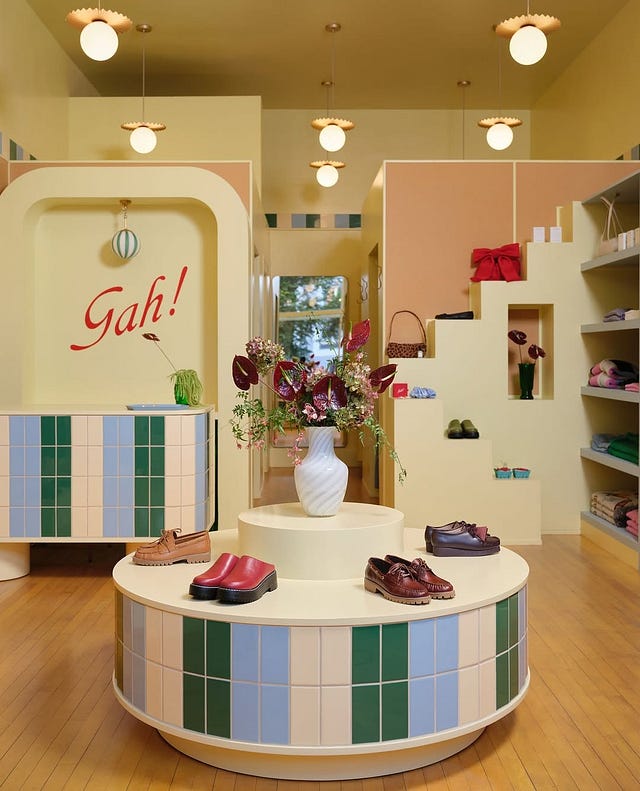
How has the rise of social media changed how you think about the business? I am very social media first, and I think maybe that’s just because of my millennial age. Going back to 2015, Instagram was still on the newer side. I’m just such a visual creative that putting it on Instagram, that was my moment to share my creative vision for the brand. So we always were on Instagram initially. It didn’t feel like a necessary step to launch a brand at the time. It just seemed like an obvious choice, and now it’s definitely more transactional. I feel like the relationship, for some people, between the brand and the platform, gets a little antagonistic at times, especially just with how fickle algorithms can be. That’s probably the biggest shift since 2015. Actually, I will say, I think the biggest change is organic versus paid. It was always organic, organic, organic. And we’re a self-funded bootstrap brand, so any ad spend was really thoughtful and careful and we weren’t just feeding the beast. Once you’re on that drip, you can’t really pull back. So it has become a channel of its own. Do you use different social platforms for different purposes, or are things pretty consistent across all of them? I don’t need to approve TikTok. It’s like, just have fun, try new things. And I think Instagram’s probably more like, I wanna see it before it goes live. I’m a little more precious about it. How do you see your personal brand? Is having one something you feel is important to the actual business brand? It’s a bit of an unconscious journey. My name is clearly in the brand, but I do think of it as, the brand is what I say “gah” to, what inspires me. The people, the brands, the collabs, I do feel like I like to present what I’m inspired by versus me being totally the inspiration itself. It’s just like the people I bring in, kind of like the curator and the creative vision is really what I’m inspired by. I don’t put myself in front of the brand as much. I am happy to be in front when necessary, but I don’t think it’s required to sustain the business. I’m wondering if you’ve seen any type of shift in what the role of founder actually entails for you today versus in the beginning? It’s similar in a lot of ways. I’m still very involved. I still know everyone on the team, and I think that’s just the nature of still not taking on investment, having steady growth. I think what’s changed is I want to be able to give people more access to me as we are growing. It’s important to know who Lisa is and have that connection. So I think I need to be pushed a little bit to do that since I love being in the business and I’m excited about that. It feels like a good challenge to step into that role a little bit more, like public facing. How do you see your relationship with the audience—your customers or potential customers? From the beginning, we’ve really had this peer-to-peer connection with the customer. I think the way we select things, the way we present the product, and community has already been in the DNA of the brand. So just opening stores, which has been like four years now, and just having that experience in person. But even in the early days, the first year I started, we did six popups in San Francisco. I think we were always digital first, but having that connection, and every time I see our customers, I’m like, “They’re just like the most creative, cool, friendly group.” And I’m always delighted when we have that connection. So I think how to maintain the digital connection through sharing behind the scenes, being thoughtful about who we cast and how we present the product so it feels inspiring, but relatable. And then continuing to just really be in person with the customer. How do you balance staying true to the identity of the brand while also seeing trends out in the wild? Do you listen to that at all? On one side, it’s unavoidable to be influenced by what’s being presented to you. We’ve actually slowed down in a lot of ways, as far as our design process. Like, we’re actually further out than we’ve ever been. And that’s because we have introduced wholesale, so our calendar has to shift. I think for us, we instinctively know what we’re excited by and there’s for sure way more competition. There’s always gonna be people knocking you off or having a better price or they’re just faster to whatever’s trending. I think that’s something you have to wrestle with is just staying true and knowing that you still have a strong point of view. We’re always so inspired when we’re in person, we’re on set, we’re like styling in real time. You can be thoughtful and be like a year ahead and plan these great collabs that are in 2028. You have to be a little bit ahead and know that you’re trying your best to make sure it’s still relevant and fun and exciting. And then you also just have to be like, okay, let’s change this up today. It seems like there’s a lot of emphasis on the IRL experience. When it comes to building the community, what does that look like for you guys? Lately we’ve been doing a lot of events. We did this really fun breakfast club that we launched, where it’s just taking the collection concept, which we recently launched, inspired by breakfast and vacation mindset. And we decided like, “Oh, wouldn’t it be fun to have breakfast with people?” And we made a crossword puzzle and were just thinking of things you do leisurely during breakfast. So I think just taking the concept but really bringing it to life in a way that’s fun and real and exciting. We’re just really wanting to push through that 360 of it all.
Edited by Nick Catucci. Logo by Kelsey Davenport.Forwarded this email? Subscribe.Reply to this email for a media kit.Visit Embedded’s older brother publication, RiffPost.
|





Comments
Post a Comment