How to Cook Dinner When There's Nothing to Cook Dinner With

How to Cook Dinner When There's Nothing to Cook Dinner WithA guide to the pantry staples that have talked me off the Seamless ledge!
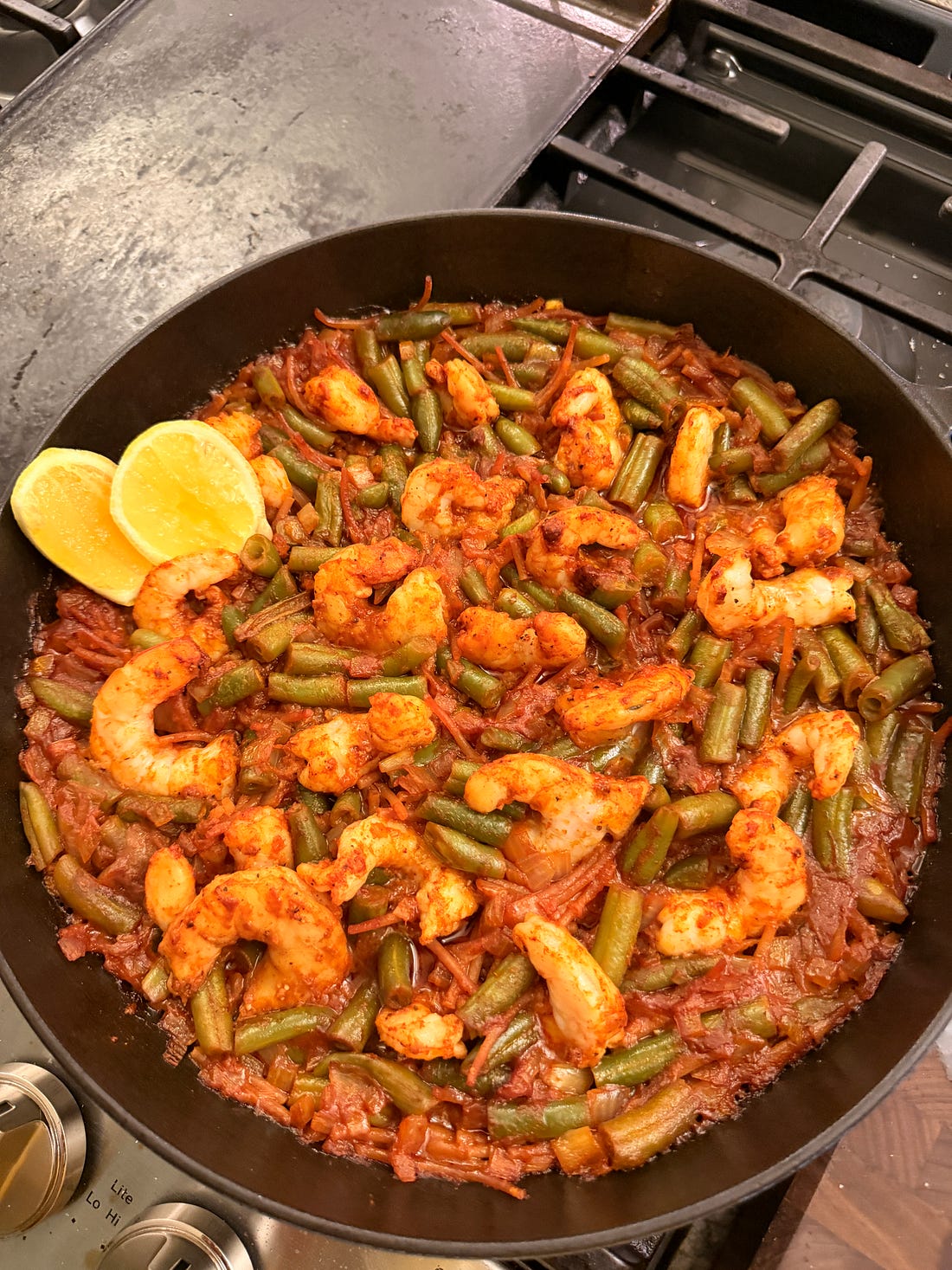
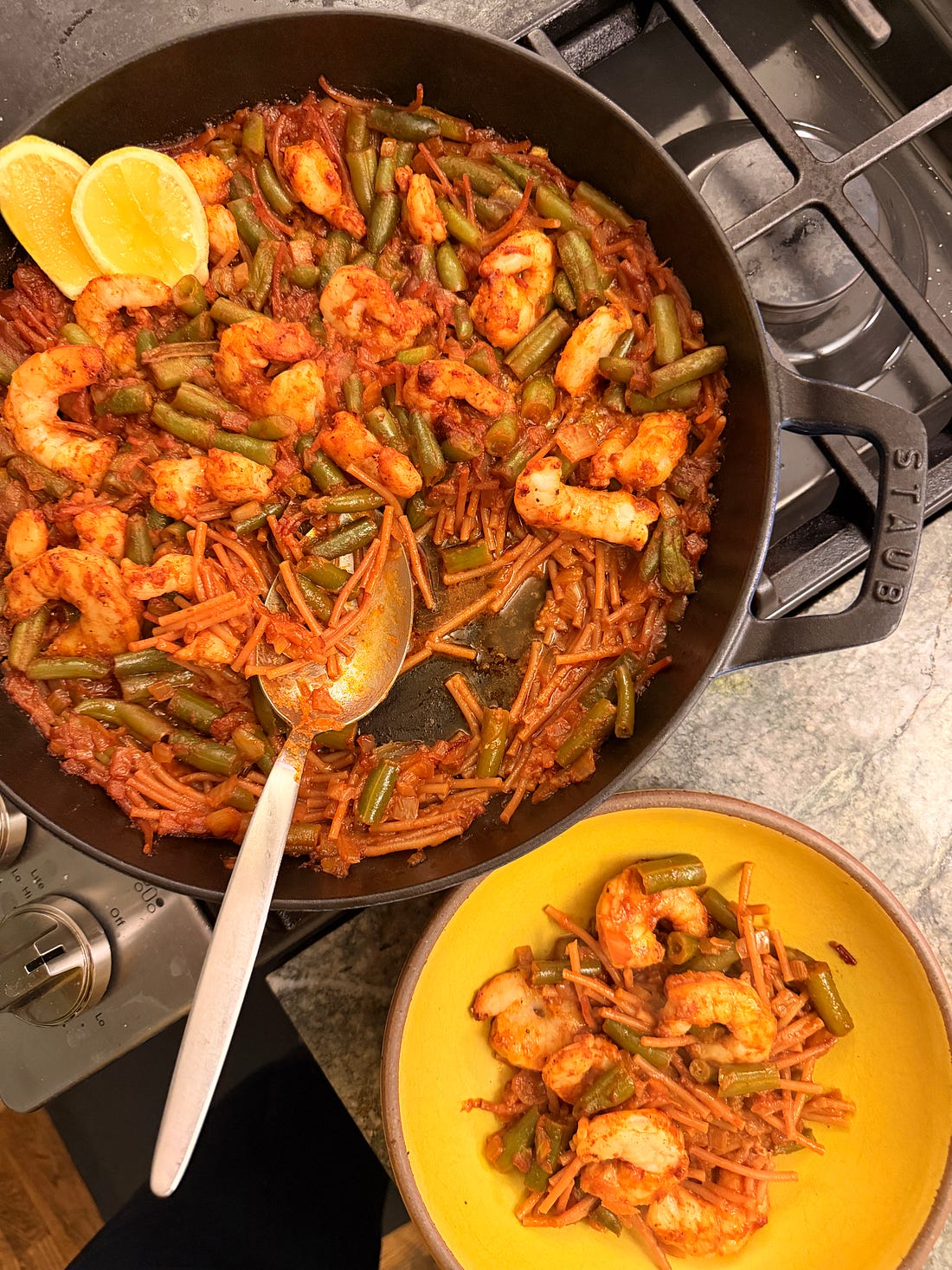
Maybe for some folks, recipes arrive as complete, elegant ideas that they execute flawlessly and photograph beautifully on the first try. Mine mostly show up on the worst days, out of necessity and mild panic, when I have nothing left to give but dinner still has to happen. A few months ago, I had one of those days. Hours of testing, yet nothing worked. I had nothing to show for it but a sink full of dirty dishes and a broken dream. The kind of afternoon where I start questioning all my life choices. Is this because I was never a Girl Scout? Should I not have quit the flute? Did I ever know how to cook, or have I just been lucky this whole time?! Then school pickup, the walk home, and it dawning on me that I had a hungry kid, an empty fridge, and approximately zero interest in cooking. So I did what I always do when my back is against the wall: I opened the pantry and started grabbing things. Spaghetti snapped into pieces by my toddler, then toasted in the oven until nutty. A quick sofrito of tomato paste, onion, garlic, and anchovies. Frozen shrimp and frozen green beans were stirred into the mix. It might not be the most beautiful dish, but twenty minutes later, we had something that resembled fideos. A richly flavored, complete meal that was better than the one I’d tested and failed at four times. Better than whatever I would have ordered on Seamless if I’d given up completely. The kid ate without complaint, which in our household is essentially a Michelin star. My pantry saved me again.
This newsletter is supported by Pique! Speaking of things that save me on the worst days: my Pique Sun Goddess Matcha is the reason I make it through recipe testing in one piece. Cold-extracted, no grit, no jitters, just a quiet moment before I burn my second batch of cookies that day. And after school pickup, especially on these hot summer days when I am a shriveled hag of a person, a B·T Fountain brings me back to life. Hydration and skin-barrier support. Drink it ice cold. Together they’re the Radiant Skin Duo. Get 20% off FOR LIFE, plus free gifts through my link. Pantry To The Rescue
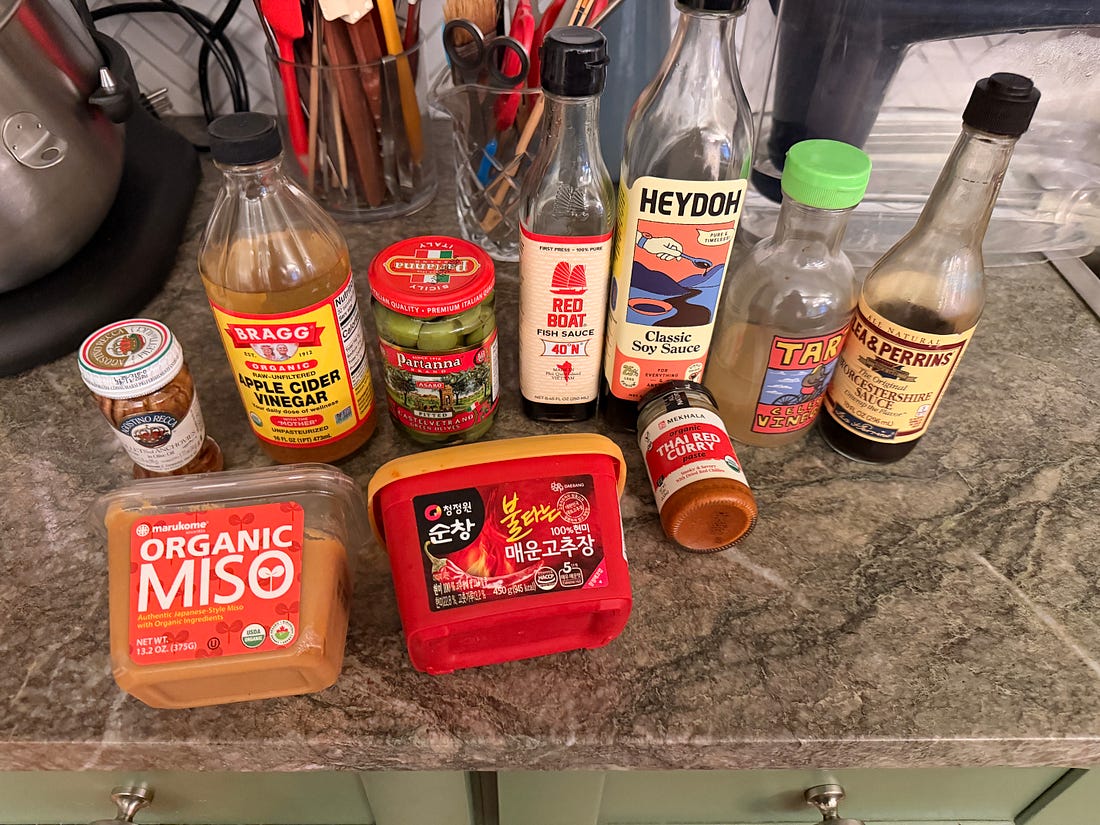
The stuff in your pantry has already done most of the heavy lifting—the fermenting, the concentrating, the preserving, the slow development of flavor that normally takes hours—so when everything else falls apart, you can get dinner on the table in twenty minutes and look like you had a plan the whole time. Here’s what’s always in mine, and why. (Shop the pantry here) Tomato, Every FormDouble-concentrated tomato paste in a tube is one of those purchases that makes you wonder what you were doing with those little cans you’d open, use a tablespoon of, then forget about in the fridge for three weeks. The tube lasts, it’s easy to use, and the flavor is richer and more intense than regular paste. I also keep tomato purée and whole peeled tomatoes around. Purée for quick sauces that need to come together fast; whole peeled for anything where I want to break them down myself and control the texture. The Fermented HeroesSoy sauce, white miso, gochujang, fish sauce, Worcestershire. Someone already spent months developing that flavor, so you don’t have to spend hours. A spoonful of miso in a braise, fish sauce in a stir fry, gochujang in anything that needs heat and depth at the same time. These are the things that make you taste something and go, “hmm, why does that taste so good.” Canned GoodsYes, cooking your own beans from scratch tastes better. Yes, I still always have canned beans because sometimes you need chickpeas in fifteen minutes, and no amount of idealism changes that. Canned coconut milk is the base for more weeknight dinners in our house than I can count. Canned tuna and sardines mean there’s always quick protein on hand. Flavor BuildersAnchovies, capers, olives, pickled peppers, and mustards are what you reach for when a dish is almost there but not quite. When it needs salt or brine or funk or acid. Anchovies, especially, bring a nuanced, savory flavor to dishes when used delicately. Melt a few filets into oil at the start of basically anything, and they disappear completely, leaving behind only a depth of flavor. VinegarAt minimum, always keep apple cider vinegar and rice wine vinegar stocked. Acid wakes everything up at the end of cooking and adds vital brightness to a pantry recipe. I also keep a few fun ones around for when I’m feeling ambitious or the dish needs something specific—balsamic, sherry, elderflower, celery, ramp! Curry Blocks & PastesCurry blocks and curry pastes are what I reach for when I’m looking at the takeout apps and talking myself down. Sear ground chicken in a hot pan, add a curry block or big spoonful of paste, and whatever frozen vegetables are in the freezer. Simmer, then balance with fish sauce, sugar, and vinegar. Eat over rice. Don’t pay the exorbitant delivery fees. The Frozen PantryThe freezer is also a pantry. Frozen shrimp, frozen cod, frozen green beans, frozen peas, frozen kale, frozen tofu, frozen ground meat—the list is almost endless. Because seafood cooks so quickly, you can toss it into stews, braises, and anything saucy straight from the freezer. Ground meat thaws fast under cold running water. With high enough heat, even frozen veggies will brown and caramelize. And they’re already washed and prepped, which on the bad days matters more than you’d think. The Fresh PantryOnion, garlic, potatoes. These live on the counter, not in the fridge. If you have these three things and anything else on this list, you have dinner. Pasta and RiceObvi. 🌈 Cookbook Rainbow 🌈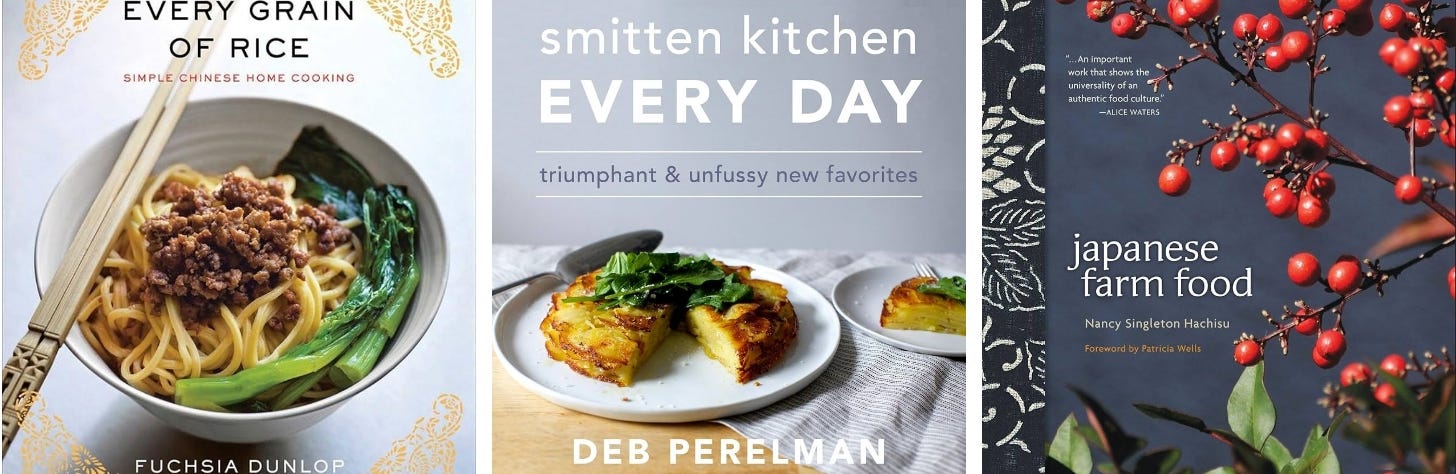
These are the books that changed how I think about pantry cooking: Every Grain of Rice by Fuchsia Dunlop: The definitive guide to Chinese home cooking, built almost entirely around the fermented and dried pantry staples on this list. If you want to understand what soy sauce can really do, this is the book. Smitten Kitchen Every Day by Deb Perelman: The cookbook version of cooking in a tiny NYC kitchen with whatever’s around, which is exactly the energy we’re working with here. Japanese Farm Food by Nancy Singleton Hachisu: The recipes are simple and centered on pantry staples such as miso, soy, pickles, and rice. It’s also the kind of book you pick up for a recipe and put down an hour later, having learned something new about how to live and eat. You Won’t Believe It’s From a Pantry! Fideos with Shrimp
Serves 4 | Ready in 1 hour Shop the recipe here
Heat oven to 375F. Snap spaghetti into small pieces and add to a large skillet or baking dish. Drizzle with 1 tablespoon oil, season with salt, and toss until the pasta is coated. Place in the oven to toast, stirring occasionally, until golden brown, about 15 minutes. Then increase the temperature to 425F. While the pasta toasts:
Pour the green bean mixture over the dish of toasted pasta and stir well. Return the dish to the oven to bake until the noodles have plumpled but are still brothy, about 10 minutes. Remove from the oven, tuck the shrimp into the noodles, leaving their tails sticking out, and return to the oven. Bake until the shrimp is cooked through and the noodles around the edges are slightly crunchy, 5 to 10 minutes. Cut the lemon into wedges. Serve with mayo and lemon wedges alongside.
|








Comments
Post a Comment