So You Want a Big Ass Cutting Board?

So You Want a Big Ass Cutting Board?Wood types, end grain vs. edge grain, the raw chicken debate, and how not to ruin the thing
You’ve been eyeing it—the big one. The one that would take up your entire counter and probably cost more than you’re prepared to admit to Ham (or whoever your Ham equivalent is). Before you commit, let’s talk about what you’re actually buying, because a cutting board this size is a relationship, not a purchase. It has needs. It has preferences. It will warp if you disrespect it. Here’s everything you should know before you fall in love. (For the impatient, here’s a link to my favorite boards and everything you need to take care of them.)
This newsletter is supported by Pique! Before we get into wood grain and oiling schedules, a word about the other ritual keeping me functional in the kitchen. I start every morning with my Pique Sun Goddess Matcha before I touch a single knife. Cold-extracted, no grit, no jitters, just a quiet five minutes before the cooking chaos begins. And after a long day of recipe testing (which involves a truly unreasonable amount of dishes) I reach for a BT Fountain to remember what it feels like to be a person again. Hydration, skin-barrier support, ice cold. Together they’re the Radiant Skin Duo. Get 20% off for life, plus free gifts through my link. The Wood, Briefly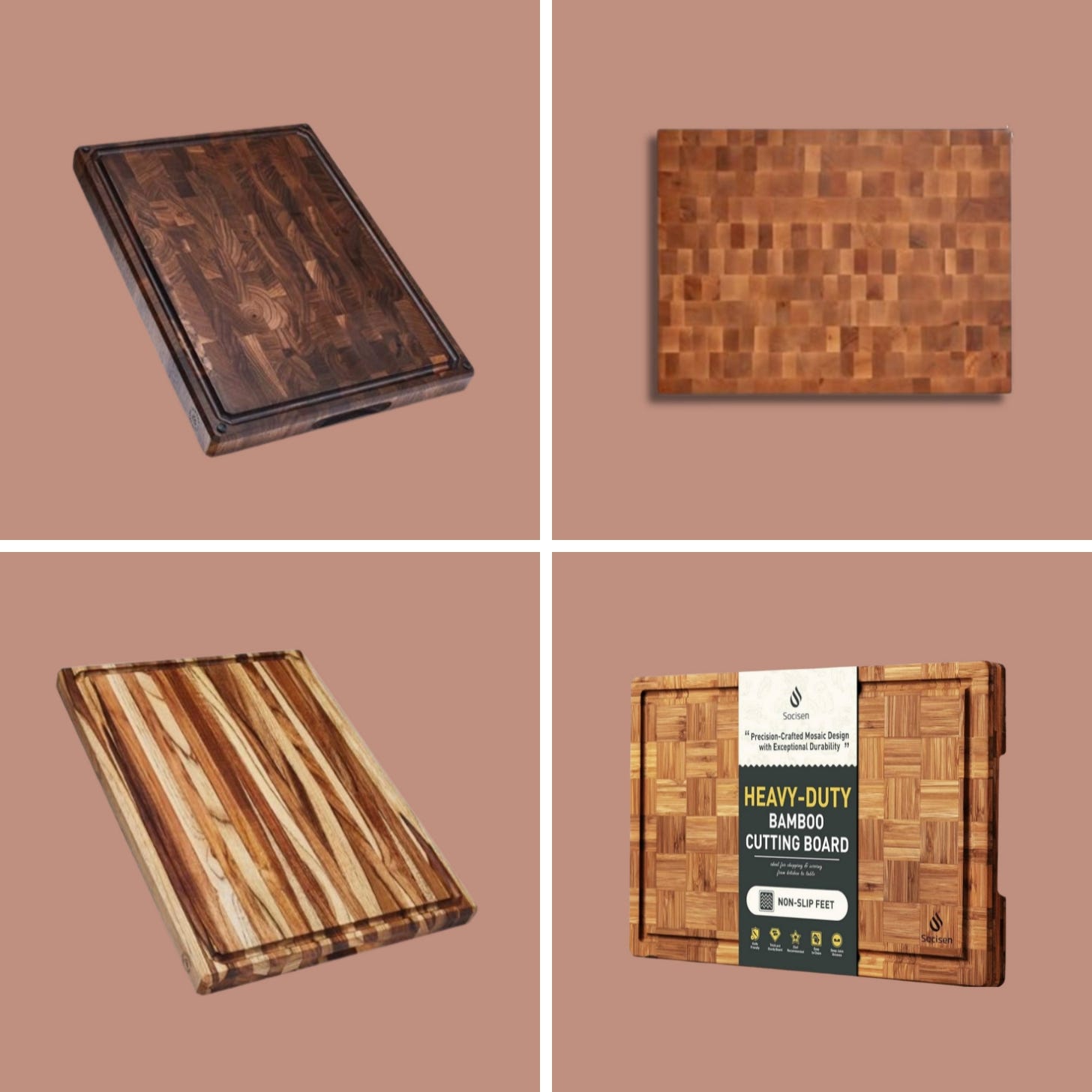
HardwoodsMaple, Walnut, Cherry: Gorgeous, reliable, and the classic butcher-block woods for a reason. They sit in the hardness sweet spot—tight-grained and tough enough to resist knife marks, but with just enough give to be gentle on your edge. Maple is the workhorse: pale, hard, what the pros use. Walnut and cherry are a little softer and darker, which means they hide stains and only get better looking with age (cherry literally deepens in color over time). The catch: those good looks and easy temperament come at a premium, and they'll want a monthly rubdown with board oil to stay happy. If you're ready to commit to that wooden-cutting-board life, these are the ones to go for. Affordable WoodsTeak, Acacia, Bamboo (technically a grass cosplaying as wood): A big level up from plastic. Teak and acacia are naturally oily and water-resistant, so they shrug off neglect. Skip an oiling (or five) and they won't crack on you. The trade-off is that they're harder than classic hardwoods, and teak, in particular, contains gritty silica that quietly sands down your edge. Bamboo is the most affordable of all, but it's the hardest of the bunch and held together with a lot of glue (your knife will feel it). Budget picks that play well with budget knives. Go with these if you're not sure you can commit to monthly board oiling and aren't ready for a splurge. End Grain vs. Edge Grain
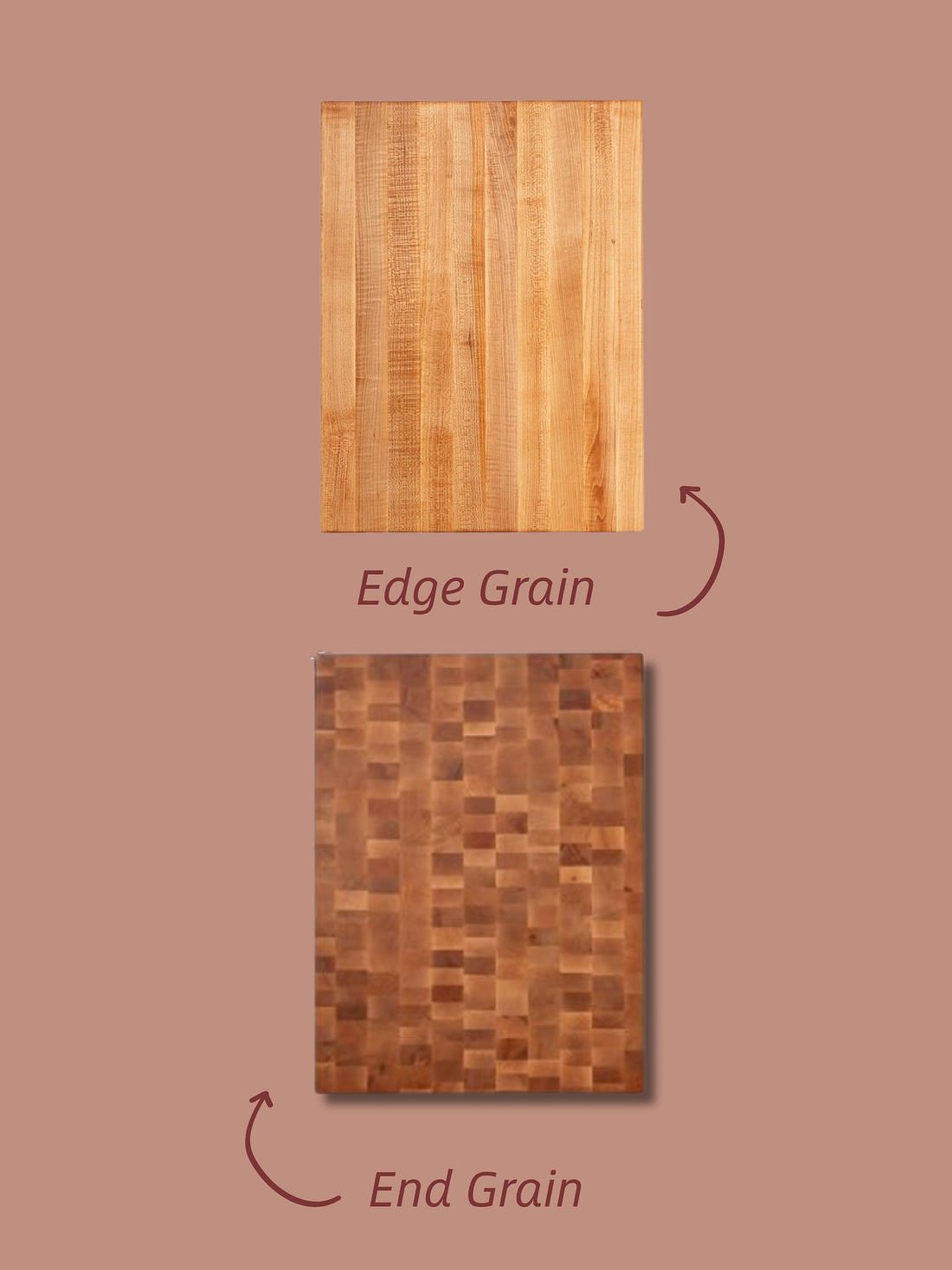
Wood has a grain, like steak! It’s the visible pattern of fibers in the wood, created by the tree’s annual growth rings and the direction its cells grew. And just like steak, which way you cut against it matters. Edge grain: Long strips of wood glued side by side, so your knife cuts across the fibers, like slicing against the grain on a flank steak. Every cut leaves a tiny score in the surface, which is why these boards show knife marks over time and dull your blade slightly faster. They’re also cheaper, lighter, and easier to maintain. Honestly? Fine! This is what most of us should own. End grain: That checkerboard pattern you’ve seen on the fancy boards. The wood is flipped so the fibers run straight up, like a bundle of little wooden straws. Instead of slicing through the fibers, your knife slips between them, and the wood closes back up behind it. Self-healing, like Wolverine. Gentler on your edge, fewer visible scars, and heavy enough to stay put while you work. The catch: significantly more expensive than edge grain, heavier to lug around, and thirstier. It needs regular oiling, or it can crack. You really can live without it. This is a level up for serious cooks. Yes, You Can Cut Raw Chicken on It
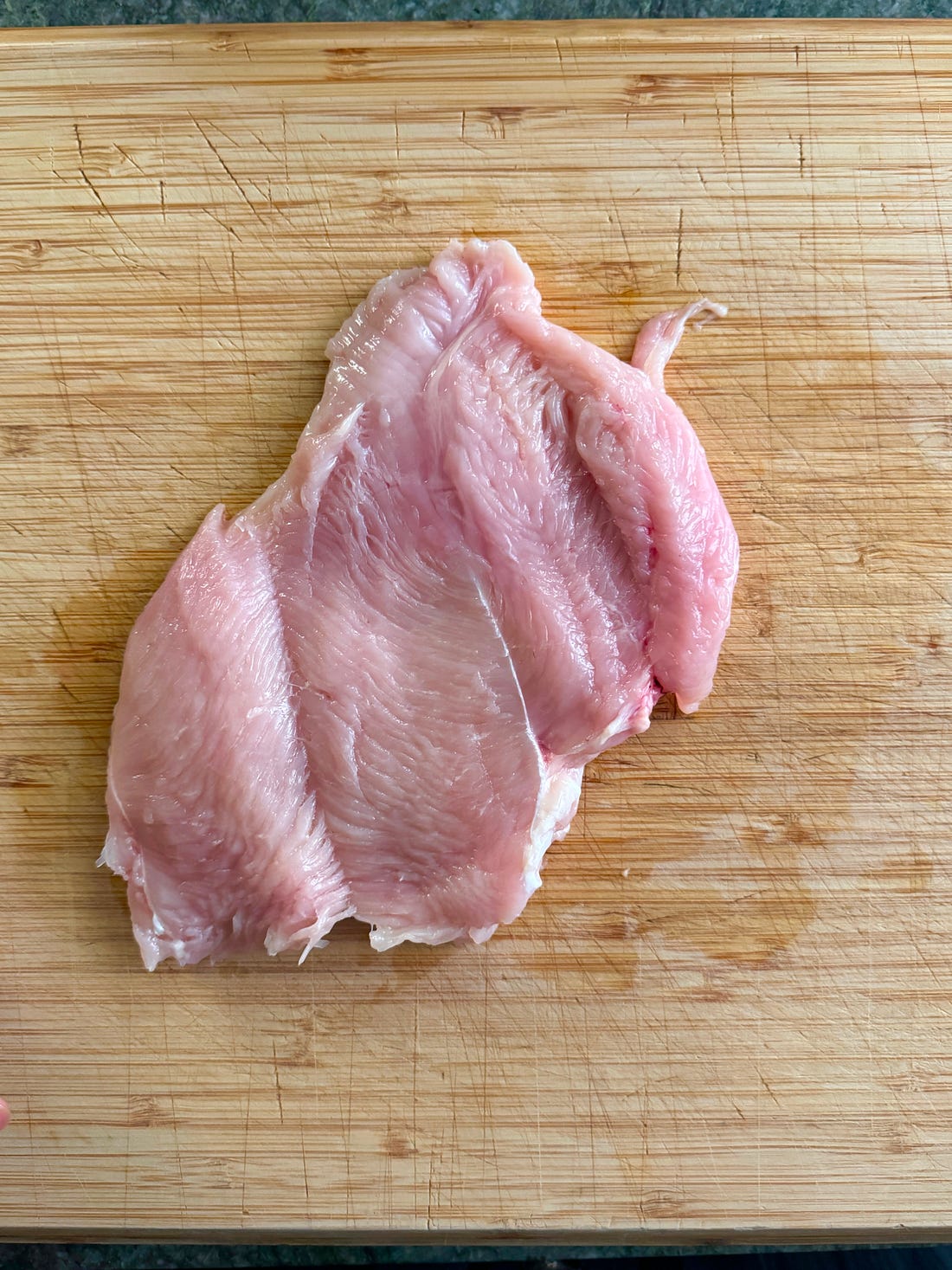
The internet loves to panic about this, but the actual science says to calm down. The research that put this debate to bed came out of UC Davis back in the ‘90s: scientists intentionally contaminated wood and plastic boards with salmonella and other nasties, and the wood boards consistently came out cleaner. Bacteria get drawn down into the wood grain, away from the surface and your food, where they dry out and die within a few hours. Wood, it turns out, is naturally hostile to microbes. Plastic boards, meanwhile, become bacterial condos. Every knife scar is a cozy little groove where bacteria not only survive scrubbing but throw house parties. Once a plastic board gets deeply scored, even the dishwasher struggles to fully evict them. (And that’s before we get into the whole shedding microplastics into your dinner thing.) Still, I use a smaller board for raw meat, poultry, and seafood. Not because wood can’t handle it, but because a small board fits in the sink for an immediate, thorough scrub-down. More on cleaning… How to Clean ItYou know what to do with a smaller board: Hot water, dish soap, a scrub brush or sponge, immediately after use. Nothing changes with a big board; you just scrub right on the counter instead of in the sink. First, use a sponge to scrub the whole surface with hot soapy water. Next, I use a squeegee to scrape up the water before another scrub with just hot water, another squeegee, and then I wipe it all down with a kitchen towel to dry. For stains, give them a little extra love: make a paste with baking soda and water, apply to the stain and let it sit for a few minutes, then scrub away. An important thing to note: if you don’t oil your board regularly, it will stain and absorb odors. This simple scrub won’t save you if your board is dry and cracked. A well-oiled board naturally repels all. How to Oil ItFood-grade mineral oil is the standard, and for good reason: it’s odorless, tasteless, and won’t go rancid the way cooking oils eventually will. Beeswax-based conditioning blends work too and add a bit more water resistance. Apply generously with your hands, let it sit and soak in for a few hours (overnight is better), then wipe off any excess that hasn’t absorbed with a clean kitchen towel. Repeat for the other side. How often depends on use and climate, but a reasonable baseline is once a month for a board in regular rotation, and immediately if you ever notice the surface looking dry, pale, or rough to the touch. Oil monthly with food-grade mineral oil to prevent drying and cracking, and sand lightly with fine-grit sandpaper every six to twelve months to remove deep knife marks and reseal the surface. A well-oiled board isn’t just about looks. It’s what keeps water from penetrating the wood and causing it to crack or harbor bacteria in the first place. My Personal Board SystemI use 3 boards:Big honking end-grain maple board that never leaves the counter. It’s where most prep happens. You don’t need end-grain (I’m just bougie), but you should consider one this size if you can. The large size allows me to sprawl out and have all my mise en place in clusters on the board. It’s also excellent for kneading bread dough, rolling out pie crust and cookie dough, and making pasta. The top and sides are oiled monthly, and every 3 months, we flip it over to oil the other side. It’s vital to oil the bottom! I have seen boards rot from underneath. Medium teak board for butchering raw proteins. This guy fits in our sink, and because it’s teak and not heavily used, we don’t stress about maintenance, oiling whenever it’s feeling rough. Itty bitty bamboo board: This cheap board is for when I need to quickly cut an apple, lemon wedge, or build the kiddo a sandwich. It’s never been oiled, and it will be fine. 📺 What I’m Watching 📺We had a week between school ending and summer camp starting that our toddler was home, so we’ve watched a lot of animated movies. The current household favorite: The Princess and the Frog. The lead, Tiana, dreams of opening a restaurant rather than finding a man. The movie's message is that dreams take both wishing and doing, so it’s a good reminder for anyone. Plus, the hand-drawn animation is a nice departure. I’ve been humming the soundtrack all week. 🧁 Treat of the Week 🧁
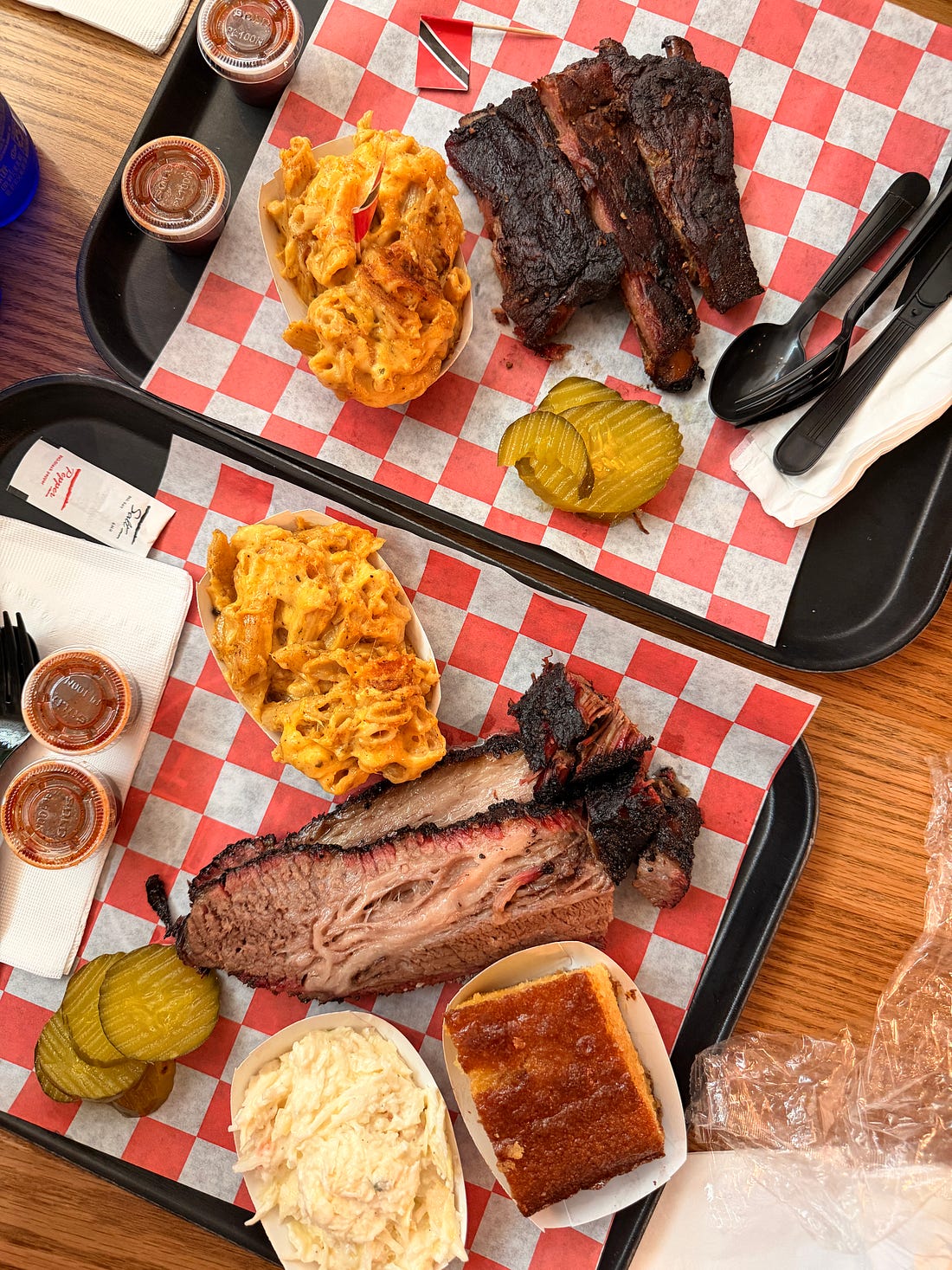
We stumbled into the Time Out Market in Union Square last week to escape the heat on our walk home from watching The Very Hungry Caterpillar Show (if you’ve got little ones, cannot recommend this show more!). I typically avoid food halls and didn’t have high hopes when we walked into the totally vacant space, but Jase’s BBQ is pulling some exciting moves from their booth. The brisket and ribs are surprisingly spiced, tender, and moist, and the mac and cheese blew my mind. I’ve never met a baked mac and cheese I like before this one. Creamy, cheesey, and heavy on the pepper, it changed how I think about mac and cheese. Not at all stodgy. I will return even without being chased in by the heat.
|







Comments
Post a Comment