The rise of “surveillance chic”

Another reminder that ICYMI, the Slate podcast I host, is doing a live show on July 21! I’d love to see you there!! —Kate New on ICYMI: We turned this Embedded piece into a pod ep, featuring my fave Tatum Hunter!
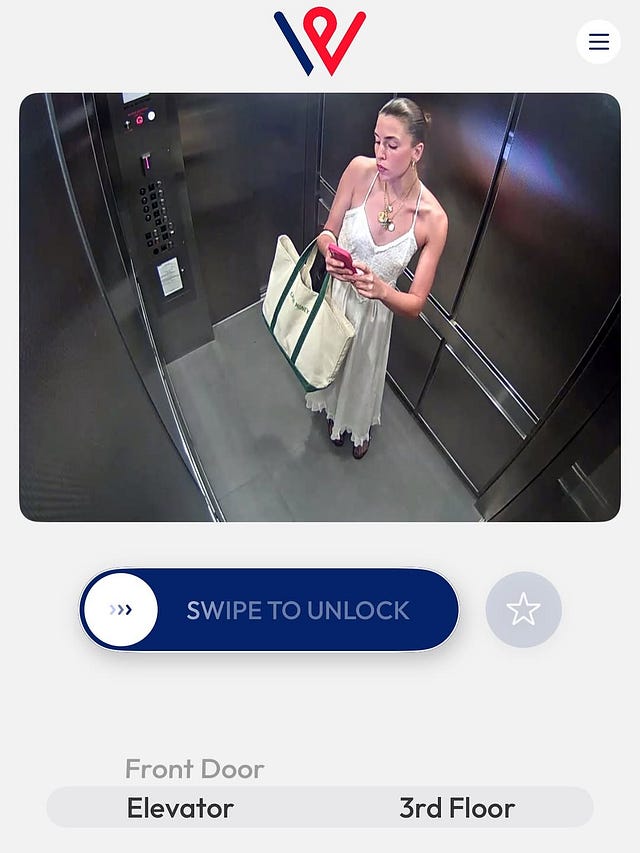
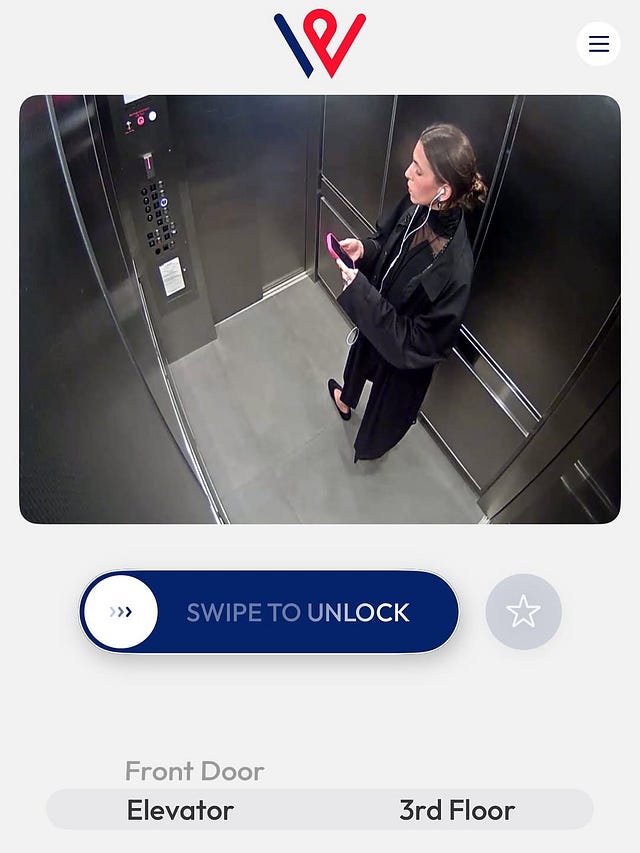
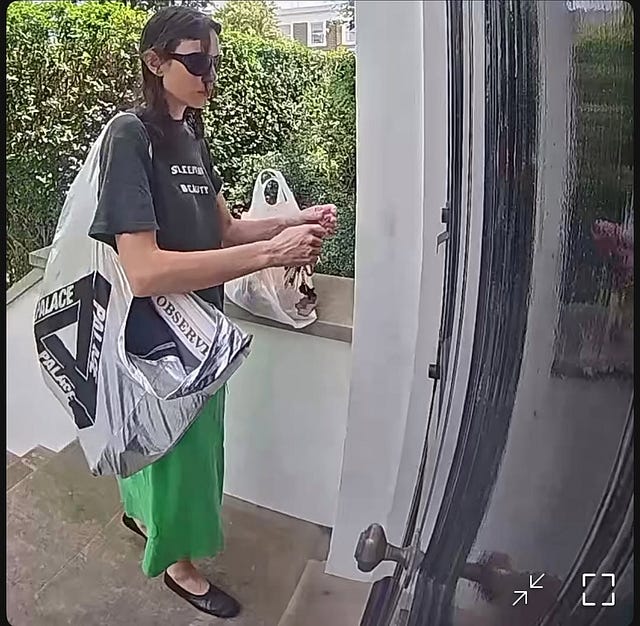
Head over here to subscribe to ICYMI wherever you listen to podcasts 🫶 Not long after the publication of Kim Kardashian’s Selfie, selfies stopped being cool. Not that there was a cause and effect, but it certainly helped to solidify what I feel became a gaucheness associated with posting something that so openly communicated your own desire to document how good you looked. It had a decade-plus run, and was eventually superseded by a new trend, one in which someone else takes the photo of you. I remember noting this at the time, because it was often difficult to engineer a friend at the coffee shop, bar, or concert wanting to take a picture of you of their own accord. Enter: the Instagram boyfriend. Or girlfriend. Or the overall expectation among people that if another person looks good, they’d probably want a photo of it. While this has been the new status quo for about a decade, there are signs we might be at the beginning of the next era, one that puts us at an even further remove from the act of documentation. I’m calling it “surveillance chic.” This was inspired by my friend Rachel, who first clocked this as a trend in the fashion space. Allegra Lorenzotti, director of ASH Hotels, has recently been using her building’s elevator security camera as a means of documenting her daily outfits. At the same time, Alexa Chung posted a similar series through her doorbell camera. Once I started looking for this, I saw how much surveillance footage was already making up a substantial portion of our creative output. Much has already been written about Ring doorbell footage becoming its own genre of content, but last month, Mackenzie Thomas debuted a short film on YouTube made up entirely of security camera footage in her bedroom. This meant subjecting herself to a full month of her every move being recorded. We see her sleep, cry, eat, attend therapy, take meetings, and talk with friends, no matter how potentially unflattering. 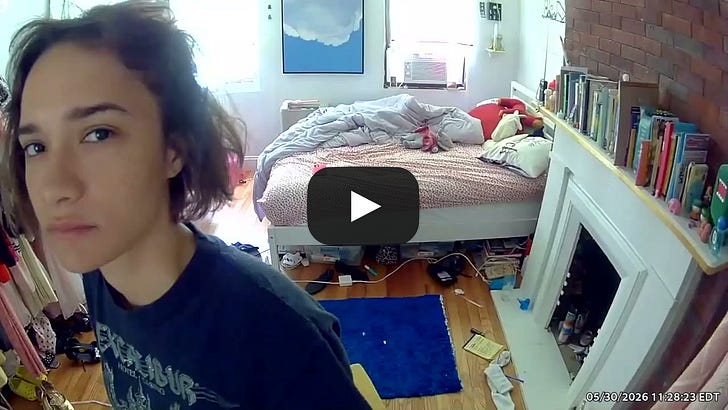
To the extent that anyone can be when repackaging this footage for consumption, this kind of content is as close as we’ve gotten to true authenticity. It’s messy and unposed, the video equivalent of a “dump.” If everything is being captured and tracked, then we have access to what some might feel is their truest self, the one not performing for anyone. But that’s the troubling truth behind all this: everything is being captured and tracked, and some of Alexa Chung’s followers, at least, were not thrilled with her post:... Continue reading this post for free in the Substack app
|







Comments
Post a Comment