
PLUS: Is expensive bottled water actually better for you?
Astronomers are about to get a new telescope to play with. And while they have some ideas of how to use it and what they’ll find, the real exciting stuff will only become apparent when it’s in orbit.
We’re talking about the Nancy Grace Roman Space Telescope, which will see its launch window open on Sunday. You can think of it as a companion to the James Webb Space Telescope, which has changed astronomers’ understanding of the cosmos. But while Webb allows us to peer deep into the universe, Roman will give us a wide view. Or put another way, if Webb is like a zoom lens that’s great for capturing a touchdown, Roman is a wide angle one that’s excellent for getting the whole field.
The telescope will help map expansive swaths of space to develop a comprehensive picture of galaxies and dark matter, helping scientists understand how the universe’s largest formations change over time. Researchers also plan to use it to discover an estimated 200,000 exoplanets—a staggering increase from the 6,300 or so that have been documented to date.
The list goes on about all the ways in which astronomers are going to use the space telescope. But with such a powerful instrument, there are likely surprises in store. Webb, for example, has captured unexpected little red dots that may be black hole stars—or some other cosmic enigma.
“The most exciting science from Roman,” says Julie McEnery, NASA’s senior project scientist for the space telescope, “may well be something that we can't even imagine now.”
We’ll have more on Roman later this week as the launch window nears. And because this week is a cornucopia of cool things happening in space, we’ll also be keeping an eye on this week’s lunar eclipse.
|
|
|
By Jay Bennett
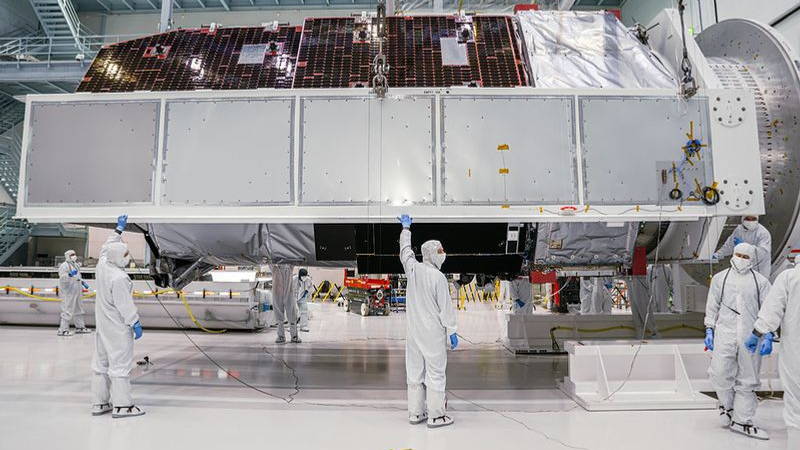
The Nancy Grace Roman Space Telescope is expected to discover as many as 200,000 new planets and reveal details about the elusive nature of dark matter and dark energy.
|
|
|
|
|
|
By Jorge Garay
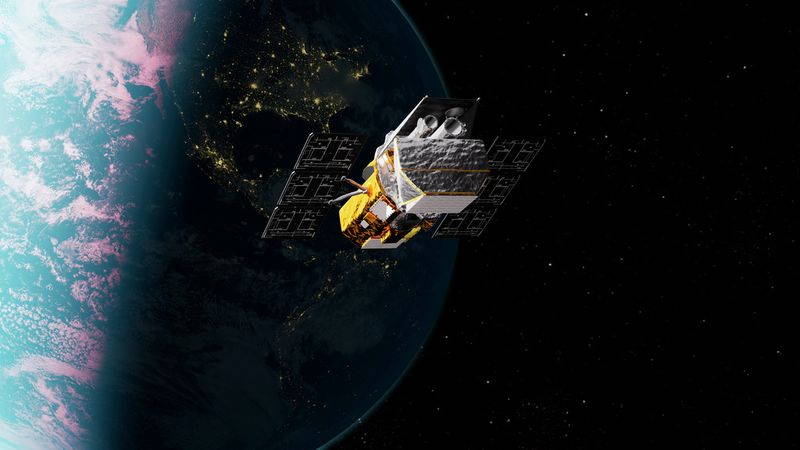
The LINK probe was supposed to use robotic arms to capture Swift and lift it into a safe orbit. Problems with its control system forced NASA to call off the attempt.
|
|
|
|
|
|
By Molly Taft
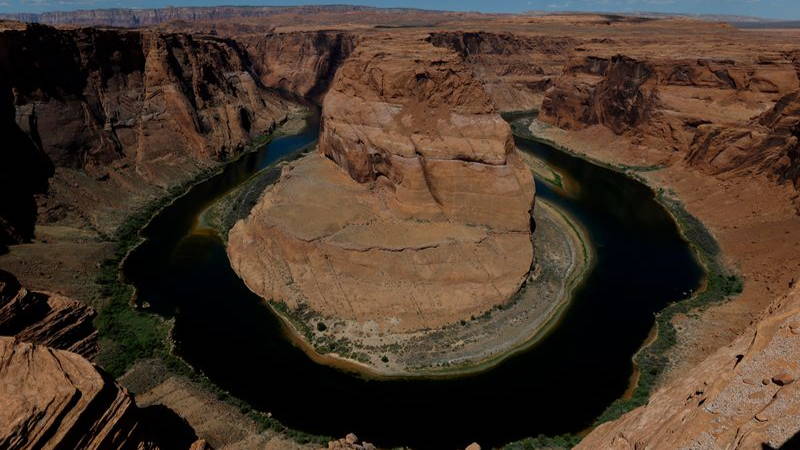
“People have talked about the Colorado River crisis for decades—we’re now in it,” says one expert. “Everyone you talk to is like, ‘Shit, man.’”
|
|
|
|
|
|
By Megan Tomos
Luxury water can contain different minerals and taste noticeably different. But a remote source, alkaline pH, and high price do not necessarily mean better hydration.
|
|
|
|
|
|
By Emily Mullin
From granola to guacamole, a wide variety of foods have been recalled lately over salmonella risks. Experts say common-sense precautions go a long way.
|
|
|
|
|
|
By Caroline Haskins
The deepfake epidemic in schools is affecting more than students. Four teachers tell WIRED about becoming targets of sexualized, AI-generated content—and how difficult it was to find accountability.
|
|
|
|
This email was sent to you by WIRED. To ensure delivery to your inbox (not bulk or junk folders), Please add our email address, wired@newsletters.wired.com, to your address book.
Copyright © Condé Nast 2026. One World Trade Center, New York, NY 10007. All rights reserved.
|





Comments
Post a Comment