
PLUS: There’s a fatty liver epidemic—AI could help get ahead of it.
If you had access to a cure for a health problem that scientists are pretty sure works but aren’t so sure how, would you take it? That’s the subject of this week’s newsletter.
Emily Mullin met with researchers using ultrasound instead of a scalpel to treat people with substance abuse disorders. Ultrasound is the imaging tool best known for checking fetal health. But a neurosurgeon at West Virginia University has pioneered the use of it to stimulate the brain in a way that can help reduce cravings.
Emily met with him and the family of Erin McNulty, who struggled with an addiction to meth before being treated as part of an exploratory trial. McNulty’s story of recovery is nothing short of amazing and worth the read alone. And it’s also indicative of a trend as companies—including some linked to the likes of Sam Altman, Reid Hoffman, and Coinbase cofounder Fred Ehrsam—look to harness ultrasound treatment for a variety of mood and psychiatric disorders.
Read Emily’s feature. And while you’re at it, check out the rest of our Galaxy Brain package, which features stories on the link between heat and schizophrenia, companies tracking your thoughts, and mini human brains that could one day outcompete AI. All of these stories will blow your mind. (Sorry, couldn’t resist.)
|
|
|
By Emily Mullin
One woman’s meth addiction was so bad, the only option left might have been brain surgery. Then a single session of noninvasive, focused ultrasound seemed to do what years of treatment could not.
|
|
|
|
|
|
By David Cox
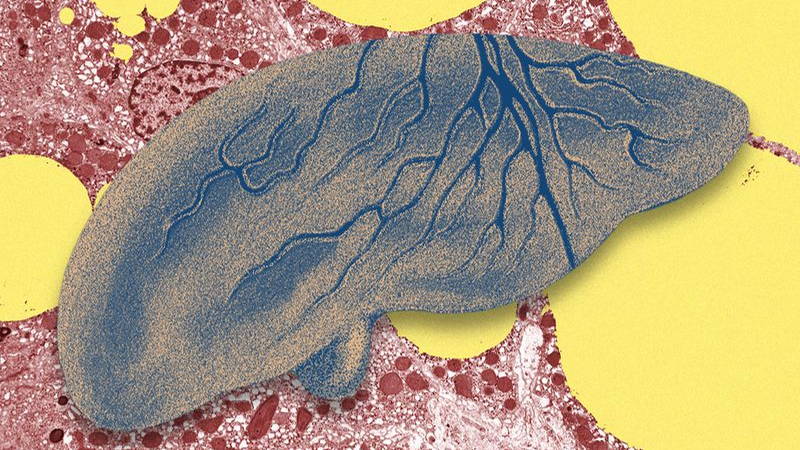
Over a billion people worldwide have livers with excess fat, which can lead to a host of medical problems. Researchers think AI tools can spot the condition—and help stop it—early enough to save lives.
|
|
|
|
|
|
By Molly Taft
A massive new gas plant in Texas will be built with much less efficient technology than regular gas plants. It’s far from the only data center power project to rely on dirty turbines.
|
|
|
|
|
|
By Mike Grunwald
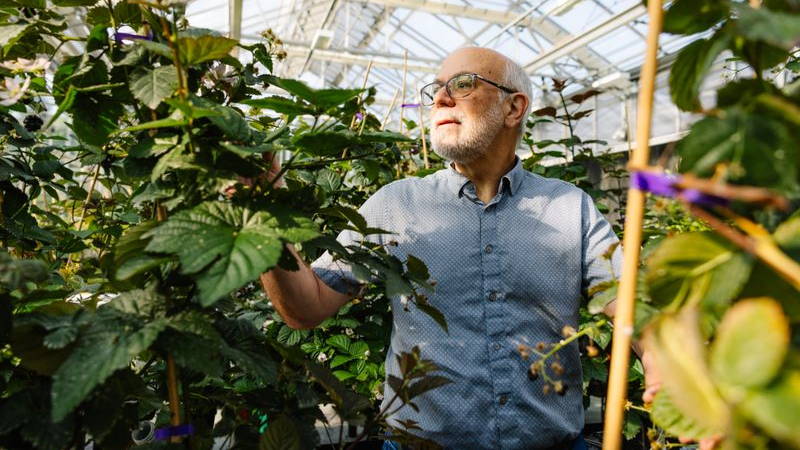
Startups and Big Ag are using Crispr gene editing to create crops that taste better and grow on a hotter planet. But will they find a market?
|
|
|
|
|
|
By Isabella Ward
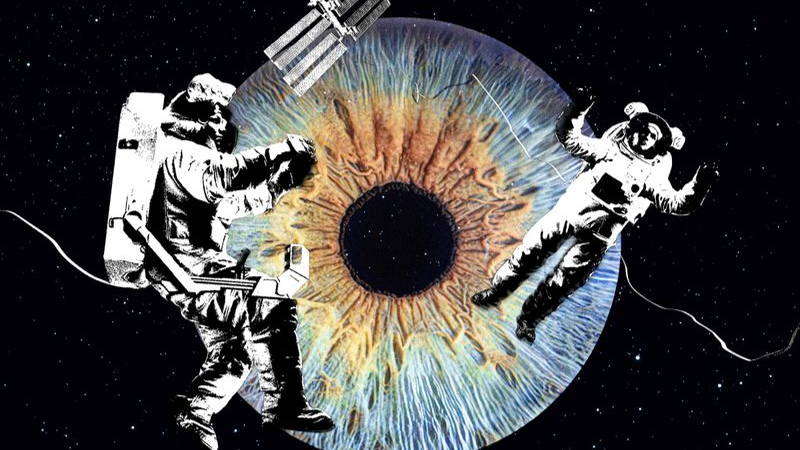
A device currently being used to help octogenarians do self-administered eye exams could be part of future space missions to monitor astronauts’ ocular health.
|
|
|
|
|
|
In five stories, we look at some of the most fascinating aspects of human (and animal) intelligence. From new octopus research, to the scientists using human cells to power computers, to a promising new treatment for addiction, cognitive science is getting smarter.
|
|
|
|
This email was sent to you by WIRED. To ensure delivery to your inbox (not bulk or junk folders), Please add our email address, wired@newsletters.wired.com, to your address book.
Copyright © Condé Nast 2026. One World Trade Center, New York, NY 10007. All rights reserved.
|


.gif)


Comments
Post a Comment