Space lasers that run on harvested sunlight sounds like the technology you’d find in a sci-fi novel. In fact, it sort of is: Isaac Asimov included space-based solar power as a means to transmit power back to a planet’s surface in a 1941 story.
Fast-forward to 2026, though, and space-based lasers powered by the sun are about to get their first real test. Startup Star Catcher is launching its prototype satellite this week, and the company’s goal is somehow even more out there than anything Asimov dreamed up. Its pitch is to build a power grid for space-based industries. This week, it’ll put a prototype satellite in space capable of beaming power to an untethered satellite. If it works, it’ll be a world first (or off-world first as the case may be).
“There isn't a power grid in space,” chief executive officer and cofounder Andrew Rush told me. “Everybody just goes on these little camping trips.” (S’mores not included.)
Satellites run on diffuse solar, which means they need suitably large arrays of panels to capture enough sun juice to charge batteries for use when they’re on the night side of the planet. Star Catcher says its laser beams provide up to 10 times more energy. That can allow satellite operators to shrink their solar arrays and batteries, which means more kilos of money-making payload.
In a world where launches cost thousands of dollars per kilogram of weight, reducing battery size while adding more useful instruments can pay dividends. Committing more space to GPUs, for example, could make space data centers more feasible.
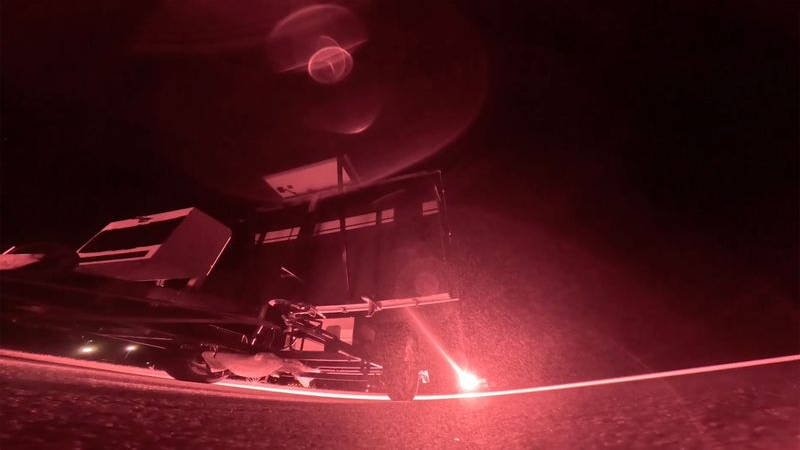
Star Catcher has already tested its beaming technology on the ground as well as the tech that can track moving objects in space. The new prototype puts the whole system together for the first time.
There are all sorts of reasons to be skeptical about a first-of-a-kind technology, including questions about how well it can scale to full-sized machines, and whether it actually works. But there’s clear interest in what Star Catcher is offering. The company announced a $65 million round of funding earlier this year, and it won a $30 million award from the US Space Force. The company has also inked 40 letters of intent from prospective buyers and, more importantly, 10 power purchase agreements, which are long-term contracts.
There’s also this: Star Catcher is launching on the same SpaceX rocket as Google’s first attempt at a space-based data center.
Also on my radar: how we think about math. At the risk of admitting something no science editor should, I personally have always found math to be rote drudgery. But a piece from freelancer Sophia Chen has given me a new appreciation for the field as a creative endeavor akin to poetry and painting. Now, the art form is under pressure from AI, which actually is making it into a rote process instead of a font of human ingenuity. Give her piece a read. Even if you’re the most hardcore of math haters, I’m sure it’ll change your mind.







Comments
Post a Comment