The Science of Salt

The Science of SaltPlus, a salted maple chocolate chunk cookie recipe, and a Thanksgiving surprise!
Keep scrolling for today’s recipe: The perfect cookie to kick off fall, all chewy and crackly thanks to a maple syrup caramel whipped right into the dough, with a good hit of salt to shake things up!
There’s nothing I hate more than an unnecessary garnish (well, that and seeing people wait hours in line for frozen yogurt). A rosemary sprig sticking out of a bowl of polenta? Jail. A sprinkle of paprika along the rim of a plate? Jail. One bruised raspberry on top of a creme brulee? Straight to jail. So when I tell you to finish these maple chocolate chip chunk cookies with coarse salt, there’s a reason. And when I don’t tell you to finish something with salt, there’s also a reason. So let’s stop the thoughtless use of salt here and now: What even is salt?It’s a rock that you eat, and besides making food delicious, it’s essential to keeping you alive. Every salt on earth, whether labeled Himalayan, iodized, kosher, or shaman-blessed, is sodium chloride that originated from the sea. (PS: Did you know pink Himalayan salt isn’t from the Himalayas? I just found out too and feel betrayed.) What differentiates salts is where they come from and what happens to them on the way to your pantry. Some salt comes from today’s seas, scooped up and dried. Mined salt is from ancient oceans that dried up centuries ago. Most salts, even the ones labeled “sea salt,” are processed after harvest. Table salt is treated with high heat to bleach and refine it. The grains are made to be uniform and stark white. Sometimes additives are included, like iodine for dietary supplementation and anti-caking agents to make it rain. By the end, these salts just taste salty, and the truth is, salt can be way more than that. Today’s newsletter is sponsored by Celtic Sea Salt® I only partner with brands I genuinely use and love.
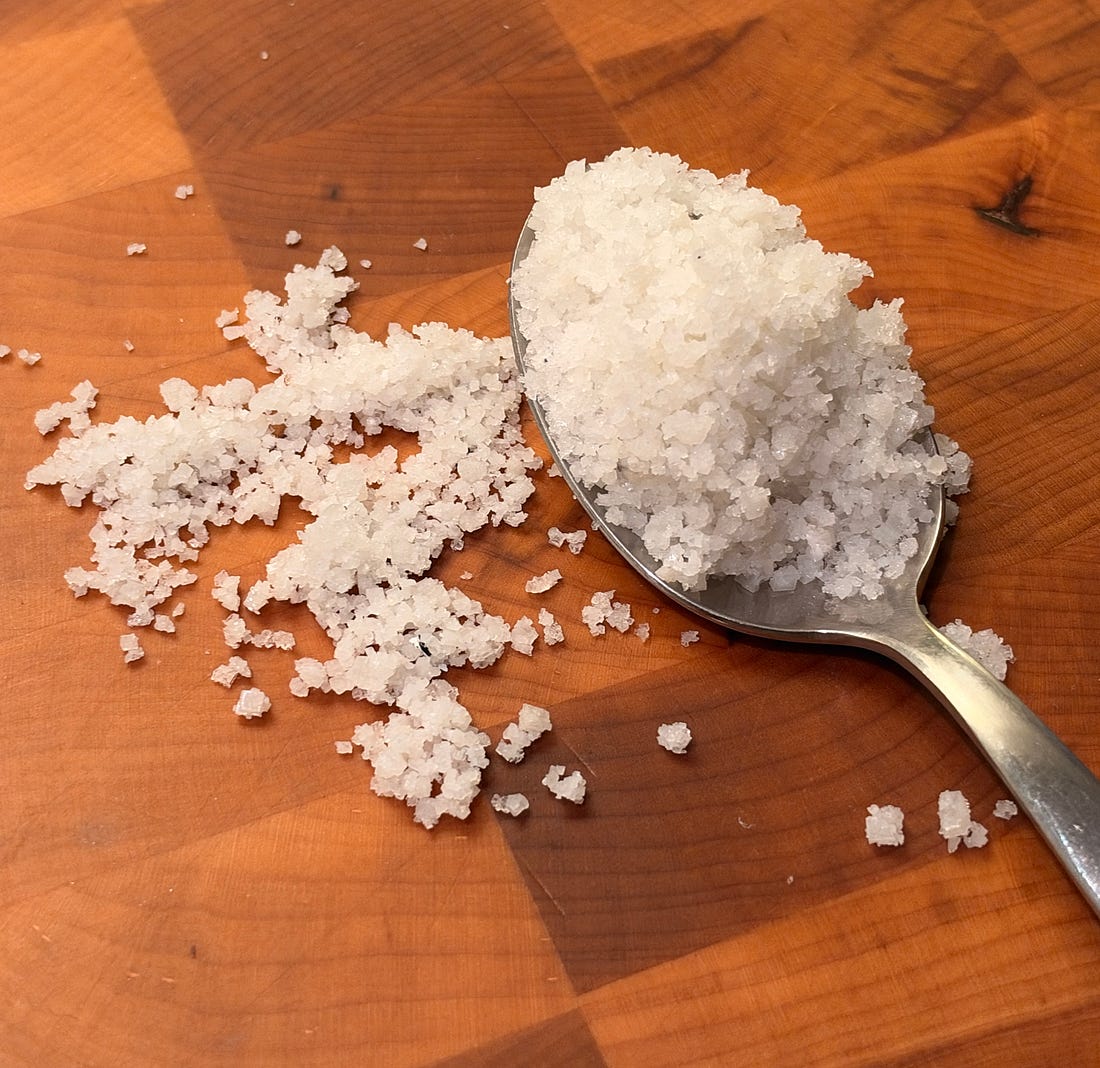
I first used Celtic Sea Salt ® while working in fine dining. The chef used it for everything, even seasoning pasta water, which, I’ll be honest with you, seemed unhinged at the time. And then I did what I always do: Attempt to prove him wrong by setting up a side-by-side blind tasting. (Unsurprisingly, not the only time I’ve done that.) The difference is noticeable, especially for something as simple as dried pasta cooked in water and salt (he also used filtered water; this place had a lot of stars). Celtic Sea Salt ® tastes like the sea, because that’s all it is: pure dried sea. To harvest it, seawater fills coastal salt beds, then the sun and wind gently concentrate it and eventually evaporate the water over weeks. There’s no high heat or refining. The crystals are still carefully raked out by hand the same way the Celts and Mayans did 2000 years ago. This keeps all the trace minerals and flavor intact. Unlike most salts, Celtic Sea Salt ® isn’t white and plain; it’s light grey with imperfect crystals, and all that attitude translates to the food. What salt does to foodFlavor
Texture
Which brings me to my Thanksgiving surprise!
You’re probably not thinking about Thanksgiving yet, but it’s all I do. For years, I’ve been your go-to turkey gal with all the tips and tricks for the best roast turkey ever. Whether you like it broken into individual parts and butter-basted, spatchcocked and roasted over high heat, or kept whole and cooked low and slow, I always recommend a brine. This year, I’m taking care of the brine for you! I’ve spent the last few months developing a Savory Brine Blend with Celtic Sea Salt®. It tastes iconically like Thanksgiving with garlic, onion, citrus, and herbs. And of course, the delicate flavor of the salt itself, which is especially important when cooking something simple like the perfect roast turkey. Maybe best of all, when you use this Savory Brine Blend, you don’t need to shroud your turkey in herbs, finish it with a glaze, or even shove an onion up its butt. The blend does it all! Really! 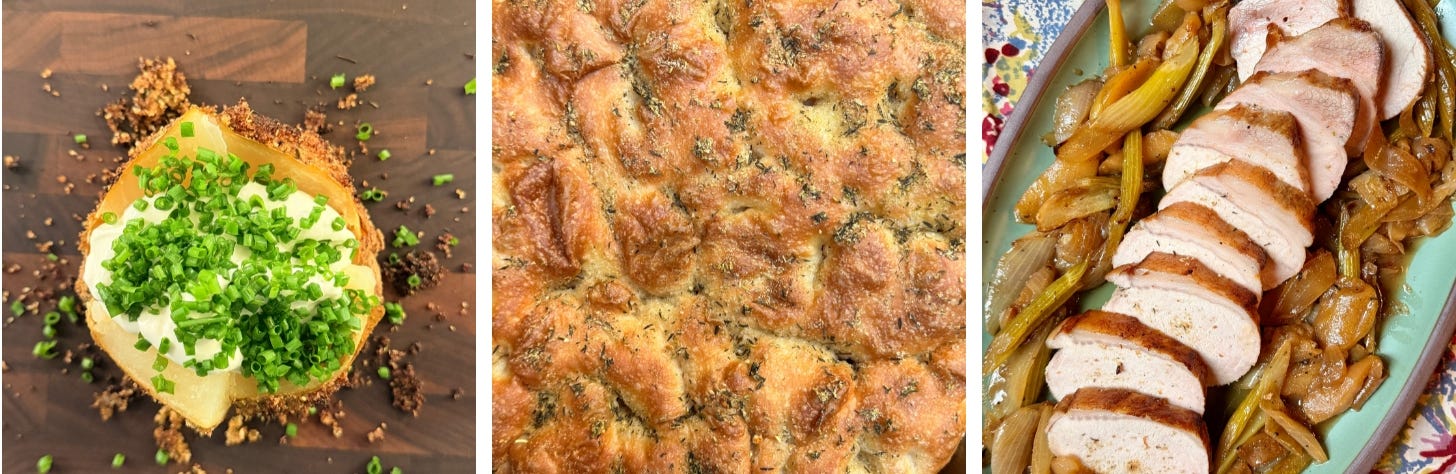
Other things you can make with this blend. These recipes and more coming at you sooooooon!
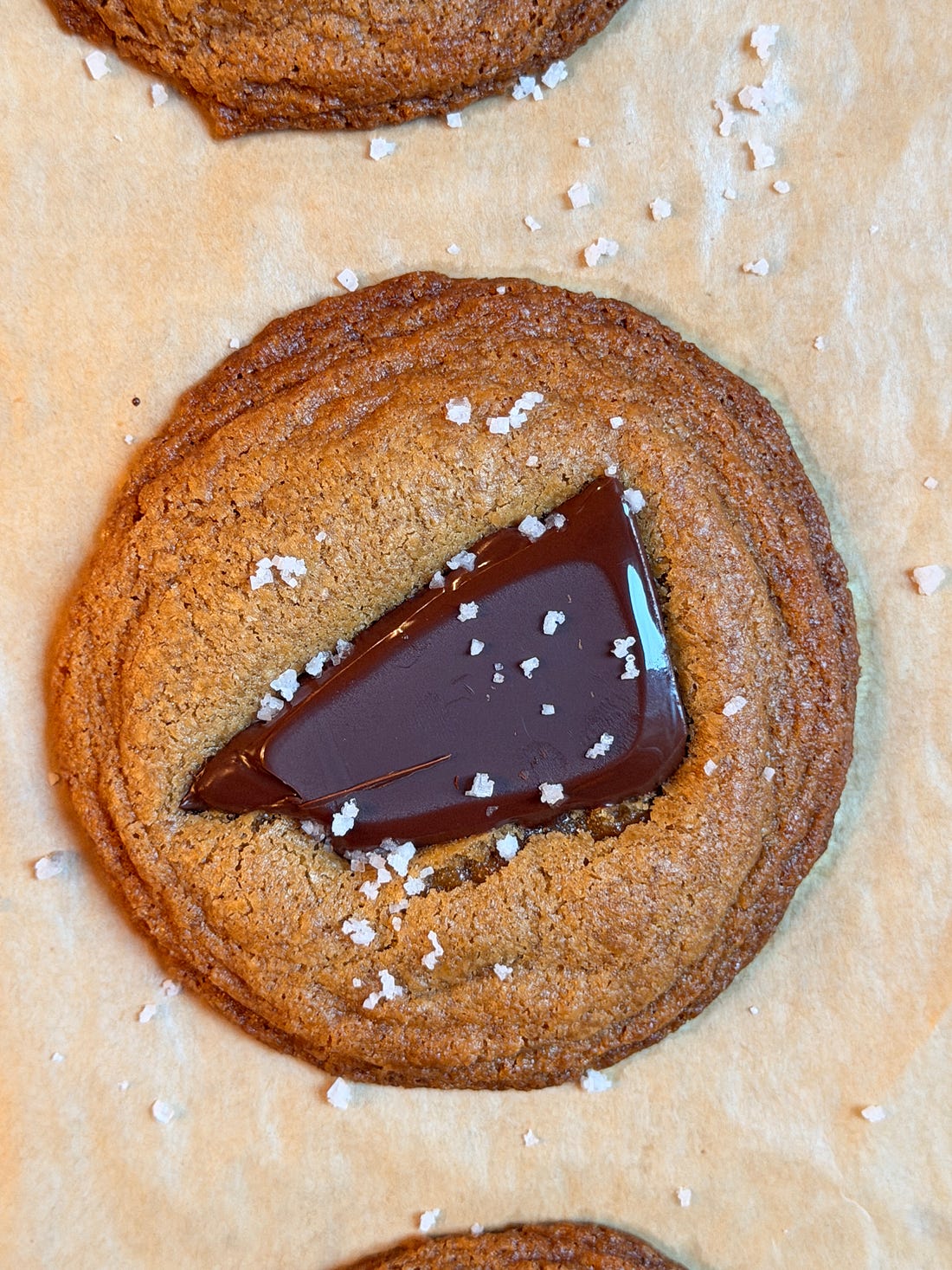
You can use it as a wet or dry brine for your turkey, or to make anything Thanksgiving-worthy. As a rub for pork loin or seasoning for a slab of salmon if turkey isn’t for you. Jazz up a store-bought focaccia, make brine-crusted baked potatoes that give mash a run for its money, or even a Thanksgiving dirty martini that’ll definitely get the party started. Supplies are limited, so order today! It’s a limited run, and if it sells out, Celtic Sea Salt® will donate enough to provide 5000 meals through Operation Turkey to families facing food insecurity this holiday season, so there’s a great reason not to wait on this one! For you, dear Substack readers, use code SOHLA10 and get 10% off your order of Savory Brine Blend. Get it here! Make the best turkey of your life! 🌈 Cookbook Rainbow 🌈Salt: A World History - Heard this book was having a moment, and I couldn’t be more thrilled. This book dives into all the ways salt has shaped the world and reads like a thrilling novel. If you dig it, check out Kurlansky’s other titles, which are equally captivating. On Food and Cooking - I know I recommend this one often, so why don’t you have it yet? I read it at least once a year, and it’s why I know anything. Want to know more about salt or anything food? Get it already, geez. Salted Maple Chocolate Chunk Cookie RecipeMakes 12 big cookies | 45 minutes plus chilling time These cookies are crisp along the edges and chewy in the center, with one big chunk of chocolate instead of chips. To enhance the subtle, smoky maple flavor, simmer the syrup with butter until it darkens and caramelizes. It feels wrong to pour the maple caramel right into the flour, but it makes the cookie extra gooey. Celtic Sea Salt enhances all the flavors, with Fine Ground Celtic mixed into the dough and the crackle of Light Grey Celtic on top. Also really, really great without the chocolate if you love maple like me.
You're currently a free subscriber to Hot Dish with Sohla . For the full experience, upgrade your subscription.
|








Comments
Post a Comment